Google Play Store Crypto Apps Face Critical Deadline in South Korea as VASP Registration Mandate Takes Effect
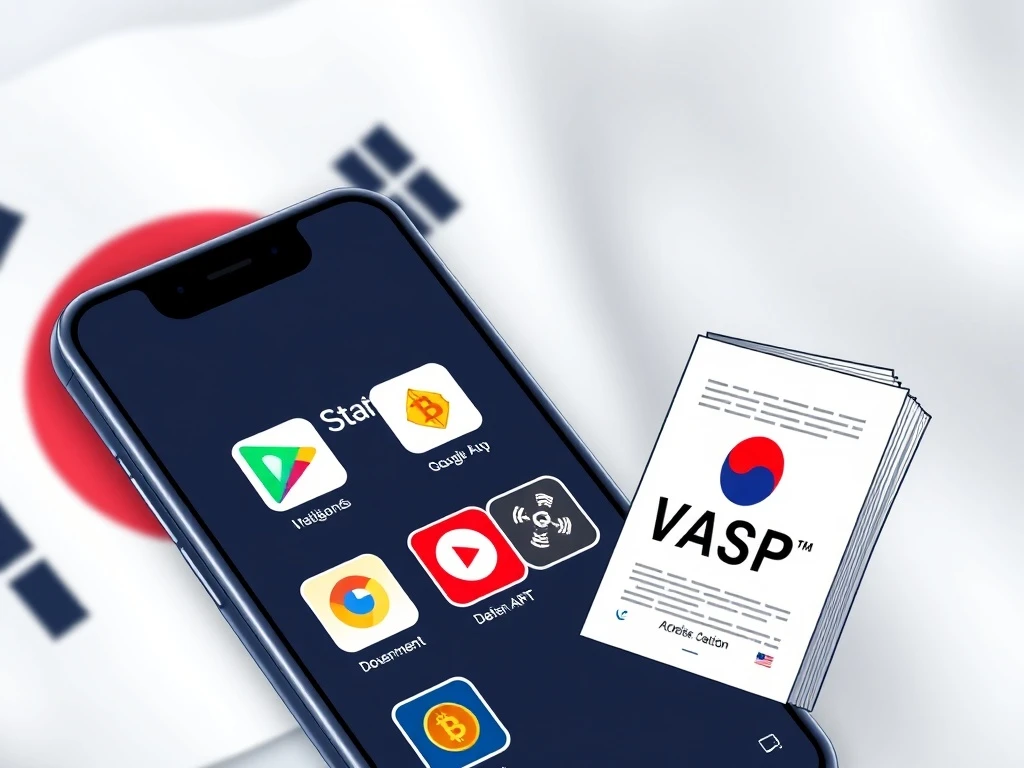
SEOUL, South Korea – January 15, 2025 – The Google Play Store will implement a significant policy change affecting cryptocurrency applications in South Korea, potentially blocking downloads and updates for unregistered crypto exchange and software wallet apps starting January 28. This development represents a crucial enforcement mechanism for South Korea’s evolving digital asset regulatory framework, specifically targeting apps that have not submitted mandatory Virtual Asset Service Provider (VASP) declarations to the nation’s Financial Intelligence Unit (FIU).
Google Play Store Crypto Apps Face Regulatory Scrutiny in South Korea
Google confirmed this policy shift through an official notice to developers, marking a substantial escalation in platform compliance with local financial regulations. Consequently, the company will require cryptocurrency-related applications to demonstrate proper registration with South Korean authorities. Specifically, Google stated that apps lacking necessary local registrations or licenses will face removal from the country-specific storefront. However, the technology giant clarified that non-custodial wallet applications remain exempt from these requirements, recognizing their different operational nature and reduced regulatory risk profile.
This regulatory alignment follows South Korea’s implementation of the Travel Rule in 2023, which mandated VASP registration for all virtual asset service providers operating within the country. The Financial Services Commission (FSC) oversees this regulatory framework through its Financial Intelligence Unit, which monitors transaction reporting and anti-money laundering compliance. Meanwhile, industry observers note that Google’s enforcement creates a powerful compliance lever, as mobile app stores serve as primary distribution channels for most cryptocurrency services targeting retail users.
Understanding South Korea’s VASP Declaration Requirements
The Virtual Asset Service Provider declaration represents a formal registration process with South Korea’s Financial Intelligence Unit. This requirement stems from the Act on Reporting and Using Specified Financial Transaction Information, commonly called the Travel Rule legislation. All virtual asset service providers must submit detailed documentation including:
- Business registration certificates and corporate documentation
- AML/CFT compliance programs demonstrating anti-money laundering measures
- Information security systems protecting user data and assets
- Management structure details including executive backgrounds
- Transaction monitoring protocols for suspicious activity reporting
Currently, regulatory uncertainty surrounds whether Google will require mere proof of VASP declaration submission or demand evidence of full FIU approval. This distinction proves critical because the FIU review process typically takes several months, potentially creating a compliance gap for applications that have submitted declarations but await final approval. Industry sources indicate that approximately 35 domestic and international cryptocurrency exchanges have completed VASP registration in South Korea, while numerous smaller platforms and wallet services remain in various stages of the compliance process.
Comparative Analysis: Global App Store Crypto Policies
| Platform | Country | Crypto App Requirements | Enforcement Date |
|---|---|---|---|
| Google Play Store | South Korea | VASP declaration to FIU required | January 28, 2025 |
| Apple App Store | South Korea | Existing financial service guidelines | Ongoing |
| Google Play Store | India | Compliance with FIU registration | December 2023 |
| Apple App Store | United States | State-by-state money transmitter licenses | Varies by jurisdiction |
This table illustrates how different platforms approach cryptocurrency application regulation across various jurisdictions. Notably, South Korea’s approach emphasizes centralized registration through financial authorities rather than platform-specific review processes. Furthermore, this regulatory model contrasts with the United States’ fragmented state-by-state licensing approach, creating different compliance challenges for international cryptocurrency service providers.
Impact on South Korea’s Cryptocurrency Ecosystem
The Google Play Store policy change will significantly affect South Korea’s digital asset landscape, which ranks among the world’s most active cryptocurrency markets. According to recent FSC data, South Korean cryptocurrency trading volume exceeded $45 billion in the fourth quarter of 2024, with mobile applications accounting for approximately 78% of retail trading activity. Consequently, removal from the Google Play Store could substantially reduce user acquisition and retention for non-compliant services.
Industry analysts identify several potential outcomes from this regulatory enforcement:
- Market consolidation favoring registered exchanges over smaller platforms
- Increased compliance costs for international services operating in South Korea
- Potential innovation slowdown as regulatory barriers increase
- Enhanced consumer protection through verified service providers
- Possible sideloading risks if users seek alternative installation methods
Financial technology experts note that this development represents part of a broader global trend toward cryptocurrency regulation through existing financial oversight frameworks. Similarly, the European Union’s Markets in Crypto-Assets (MiCA) regulation, scheduled for full implementation in 2025, establishes comprehensive licensing requirements for cryptocurrency service providers across member states. These parallel developments suggest increasing international convergence on regulatory approaches to digital assets.
Technical Implementation and Developer Response
Application developers received notification through Google’s Play Console, the primary interface for managing applications on the platform. The notice specified that cryptocurrency exchange and custodial wallet applications must declare their VASP registration status through updated store listings. Technically, Google will implement geographic targeting to restrict applications only within South Korea’s Google Play Store, allowing them to remain available in other jurisdictions where different regulations apply.
Several cryptocurrency exchanges have already issued statements regarding their compliance status. Major domestic platforms including Upbit, Bithumb, and Korbit confirmed their full VASP registration and anticipated uninterrupted service. Meanwhile, some international exchanges operating in South Korea have initiated accelerated compliance processes or temporarily suspended new user registrations while completing regulatory requirements. Industry associations have organized emergency briefing sessions to help smaller developers understand and navigate the declaration process.
Regulatory Context and Historical Background
South Korea’s approach to cryptocurrency regulation has evolved significantly since the initial market boom of 2017. The government implemented real-name banking requirements in 2018, mandating that cryptocurrency exchanges partner with domestic banks for user verification. Subsequently, the Special Financial Transactions Information Act took effect in March 2021, establishing the legal foundation for VASP registration. This legislation aligned South Korea with Financial Action Task Force (FATF) recommendations for virtual asset service providers.
The Financial Intelligence Unit, operating under the Financial Services Commission, began accepting VASP declarations in September 2021. Initially, the registration process experienced delays as authorities developed implementation guidelines and review procedures. However, enforcement intensified throughout 2023 and 2024, with several unregistered exchanges facing operational restrictions and penalties. Google’s Play Store policy represents the latest enforcement mechanism in this regulatory progression, leveraging platform control to ensure broader compliance.
Notably, this regulatory framework exempts decentralized finance (DeFi) protocols and non-custodial wallets that do not control user funds. This distinction recognizes the technical and operational differences between custodial services and software tools that merely interface with blockchain networks. Legal experts suggest this exemption reflects regulatory pragmatism, focusing oversight on entities with direct financial risk exposure rather than attempting to regulate all blockchain-interfacing software.
Consumer Protection and Market Implications
From a consumer protection perspective, this regulatory enforcement aims to reduce fraud and financial risk for South Korean cryptocurrency users. The FIU registration process includes verification of corporate legitimacy, financial stability, and security measures. Registered VASPs must maintain adequate capital reserves, implement robust cybersecurity protocols, and carry appropriate insurance coverage. These requirements theoretically create a safer environment for retail investors compared to unregulated platforms.
Market data indicates potential shifts in user behavior and platform preferences following this announcement. Analytics firms have observed increased download activity for registered exchange applications in recent weeks, suggesting users are proactively migrating to compliant platforms. Additionally, financial educators have reported heightened interest in non-custodial wallet solutions, particularly among technically sophisticated users seeking alternatives to regulated exchanges. This bifurcation may create distinct user segments with different risk preferences and technical capabilities.
Industry observers also note potential unintended consequences, including increased use of virtual private networks (VPNs) to access international application stores or direct website downloads bypassing official app stores. These circumvention methods could potentially expose users to greater security risks if they download applications from unverified sources. Consequently, regulatory authorities and industry groups have initiated public awareness campaigns emphasizing the importance of using only properly registered and verified cryptocurrency services.
Conclusion
The Google Play Store’s impending restriction on unregistered cryptocurrency applications in South Korea represents a significant milestone in the country’s digital asset regulatory evolution. This enforcement mechanism strengthens compliance with VASP declaration requirements established by the Financial Intelligence Unit, creating substantial consequences for non-compliant services. While the policy exempts non-custodial wallets and targets only the South Korean market, its implementation will likely reshape the local cryptocurrency ecosystem, potentially accelerating market consolidation and increasing regulatory compliance across the industry. As the January 28 deadline approaches, cryptocurrency service providers must demonstrate proper registration or face exclusion from a crucial distribution channel in one of the world’s most active digital asset markets.
FAQs
Q1: What exactly is a VASP declaration in South Korea?
The Virtual Asset Service Provider declaration is a mandatory registration with South Korea’s Financial Intelligence Unit that cryptocurrency exchanges and custodial wallet services must complete. This process verifies business legitimacy, security measures, and anti-money laundering compliance.
Q2: Which cryptocurrency apps are affected by Google’s new policy?
The policy affects cryptocurrency exchange applications and software wallets that custody user funds. Non-custodial wallets that don’t control private keys are exempt from these requirements.
Q3: Can users still access blocked apps through other methods?
Technically, users could sideload applications or use international app stores, but these methods may violate terms of service and expose devices to security risks. Financial authorities strongly recommend using only properly registered applications.
Q4: How long does the VASP registration process typically take?
The Financial Intelligence Unit review process generally takes 3-6 months from complete application submission, though this timeline can vary based on application complexity and regulatory workload.
Q5: Will this policy affect cryptocurrency trading prices in South Korea?
While regulatory changes can influence market sentiment, the direct impact on trading prices remains uncertain. Historically, regulatory clarity has supported long-term market stability despite potential short-term volatility.