Data Center Power Demand Sparks Political Showdown as Trump Demands Tech Giants ‘Pay Their Own Way’
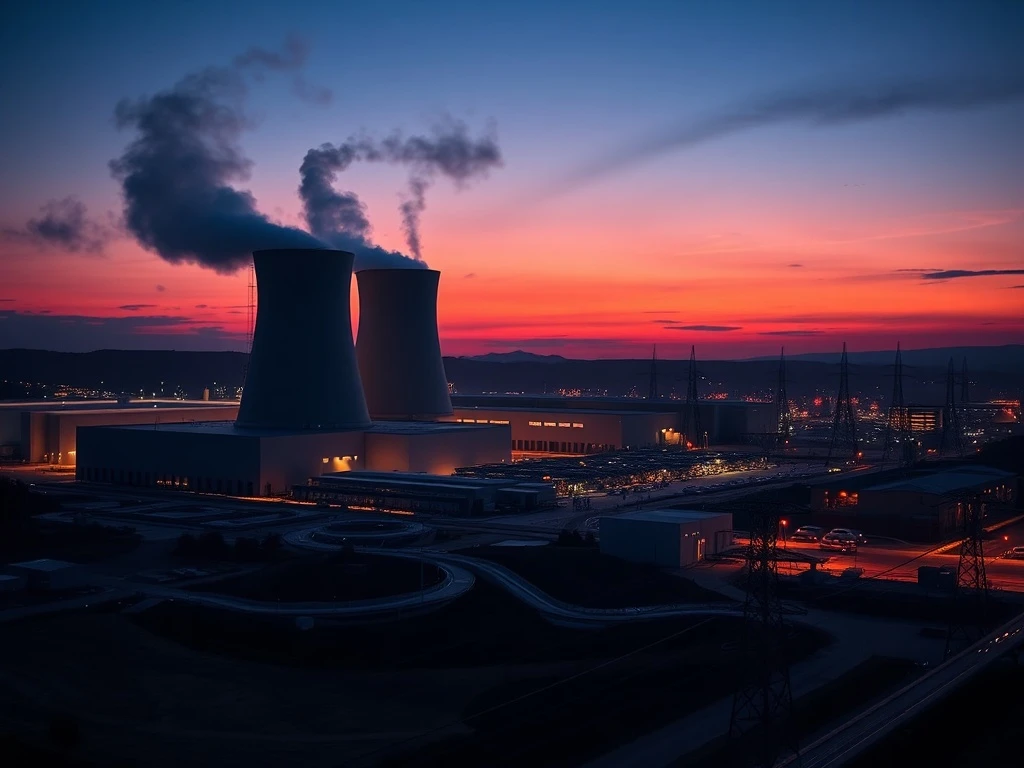
WASHINGTON, D.C., October 2025 – A brewing confrontation between the White House and Silicon Valley over skyrocketing electricity consumption has reached a critical juncture, with President Donald Trump demanding major technology companies cover their own data center power costs to prevent increased utility bills for American households. This policy shift comes as the United States experiences unprecedented growth in artificial intelligence infrastructure, creating what energy analysts describe as the most significant pressure on the national grid in decades.
Data Center Power Demand Reaches Critical Levels
The core issue centers on exponential growth in electricity consumption by data centers supporting AI development, cloud computing, and cryptocurrency operations. According to data from Visual Capitalist, U.S. data centers consumed approximately 224 terawatt hours (TWh) of electricity in 2025, representing 5.2% of the nation’s total power usage. This marked a substantial 21% increase from the previous year, reflecting the rapid expansion of computational infrastructure.
Energy distribution within these facilities reveals specific consumption patterns. Network Installers reports that cooling systems account for 30% to 40% of total facility energy use, while servers and IT equipment consume between 40% and 60% of facility power. The International Energy Agency notes that AI-focused data centers demonstrate particularly aggressive growth patterns, with electricity demand increasing at approximately 30% annually compared to just 9% for conventional server workloads.
Political Response to Energy Infrastructure Strain
President Trump addressed the issue directly through his Truth Social platform on Tuesday, stating firmly, “I never want Americans to pay higher electricity bills because of data centers.” He attributed rising household electricity costs to Democratic policies while pledging to collaborate with technology leaders to “secure their commitment to the American People.” The administration plans to announce specific agreements in coming weeks.
The economic context underscores these concerns. The Federal Reserve Bank of St. Louis documents that average electricity prices per kilowatt-hour in typical U.S. cities have increased approximately 40% over the past five years. This inflationary pressure coincides with the data center expansion, creating political urgency around infrastructure costs.
Microsoft Leads Corporate Response
The White House identified Microsoft as the first major technology company to implement operational changes addressing power cost concerns. According to presidential statements, Microsoft will begin modifications this week “to ensure that Americans don’t ‘pick up the tab’ for their power consumption.” While specific measures remain undisclosed, industry analysts anticipate several potential approaches:
- On-site renewable generation through solar arrays and wind turbines
- Power purchase agreements with renewable energy providers
- Advanced cooling technologies reducing electricity demands
- Grid stabilization payments during peak demand periods
Microsoft’s response establishes a precedent other technology firms will likely follow as political pressure intensifies.
Projected Growth and Infrastructure Implications
Future projections indicate the data center power challenge will substantially worsen without intervention. McKinsey & Company forecasts that U.S. data center electricity consumption could exceed 600 TWh by 2030, representing 11.7% of national power usage. This tripling of demand within five years presents extraordinary infrastructure challenges for utility providers and grid operators.
The geographical concentration of data centers compounds these difficulties. Major technology companies have clustered facilities in regions with favorable conditions, including:
- Virginia’s Data Center Alley with direct fiber connections
- Texas markets benefiting from deregulated energy
- Pacific Northwest locations with hydroelectric resources
- Midwestern sites offering cooling advantages
This concentration creates localized grid stresses requiring substantial transmission upgrades and generation capacity additions.
Bitcoin Mining’s Parallel Energy Debate
Cryptocurrency mining operations represent another significant electricity consumer facing similar scrutiny. Bitcoin mining facilities utilize specialized computing hardware to validate transactions and secure the network, consuming substantial power in the process. However, research from ESG expert Daniel Batten suggests cryptocurrency mining may not directly increase consumer electricity costs.
Batten compared national utility bill increases between 2021 and 2024 against regions with concentrated Bitcoin mining activity, particularly Texas. His analysis found “neither in the data nor in peer-reviewed studies is there evidence to support the claim that Bitcoin mining increases power bills for consumers.” Additionally, cryptocurrency mining demonstrates several environmental benefits according to industry advocates:
- Grid flexibility through interruptible load participation
- Renewable energy development funding in remote locations
- Methane mitigation using otherwise-flared gas for generation
- Heat recycling applications for agricultural or residential use
These factors complicate the energy policy landscape as regulators balance multiple electricity-intensive industries.
Technological and Policy Solutions Emerging
Industry responses to power consumption challenges are developing across multiple fronts. Technology companies increasingly invest in efficiency improvements and alternative energy sources, while policymakers consider regulatory frameworks addressing infrastructure costs. Several promising approaches have gained traction:
Advanced Cooling Systems: Liquid immersion cooling and direct-to-chip technologies substantially reduce electricity demands compared to traditional air conditioning systems. These approaches can decrease cooling energy consumption by 90% in optimal configurations.
Renewable Energy Integration: Major technology firms have become the largest corporate purchasers of renewable energy globally. Amazon, Google, and Microsoft collectively contracted over 50 gigawatts of clean energy capacity through 2024, though integration challenges remain.
Grid Interactive Data Centers: Some facilities now participate in demand response programs, temporarily reducing consumption during peak periods in exchange for financial compensation. This approach benefits both grid stability and facility economics.
Geographic Diversification: Companies increasingly site new facilities near renewable energy sources and in cooler climates, reducing both transmission losses and cooling requirements.
The Global Competitive Dimension
President Trump emphasized America’s technological leadership while announcing the policy, stating, “We are the ‘hottest’ country in the world, and number one in AI. Data centers are key to that boom, and keeping Americans free and secure.” This framing connects energy policy directly to national competitiveness in artificial intelligence development.
International comparisons reveal varying approaches to data center energy challenges. European Union regulations increasingly mandate efficiency standards and renewable energy usage, while Asian markets balance growth objectives with infrastructure constraints. The U.S. approach emphasizing corporate responsibility rather than direct regulation represents a distinct policy direction with uncertain implications for technology investment patterns.
Conclusion
The escalating data center power demand has catalyzed a significant policy shift with far-reaching implications for technology companies, energy markets, and American consumers. President Trump’s insistence that technology firms “pay their own way” reflects growing recognition that artificial intelligence infrastructure carries substantial electricity costs requiring equitable distribution. As Microsoft implements initial changes and other companies develop responses, the evolving relationship between technological advancement and energy infrastructure will shape America’s competitive position in AI development while determining household electricity affordability. The coming months will reveal whether voluntary corporate measures sufficiently address infrastructure challenges or whether more comprehensive policy approaches become necessary to balance innovation with energy sustainability.
FAQs
Q1: How much electricity do U.S. data centers currently consume?
U.S. data centers consumed approximately 224 terawatt hours in 2025, representing 5.2% of national electricity usage according to Visual Capitalist data. This marked a 21% increase from the previous year.
Q2: What specific changes is Microsoft implementing regarding power costs?
While exact details remain undisclosed, Microsoft will begin operational modifications this week to address electricity consumption concerns. Industry analysts anticipate increased renewable energy procurement, advanced cooling technologies, and potential grid stabilization measures.
Q3: How does Bitcoin mining electricity consumption compare to AI data centers?
Both represent substantial electricity consumers, but research from ESG expert Daniel Batten suggests cryptocurrency mining may not directly increase consumer utility bills. Bitcoin mining also demonstrates potential environmental benefits through grid flexibility and methane mitigation.
Q4: What percentage of data center power goes toward cooling systems?
Cooling accounts for 30% to 40% of total facility energy consumption according to Network Installers. Servers and IT equipment consume approximately 40% to 60% of facility power, with remaining usage covering lighting, security, and auxiliary systems.
Q5: How might this policy affect America’s competitive position in AI development?
President Trump connected energy policy directly to national competitiveness, emphasizing America’s AI leadership. The balance between infrastructure costs and innovation support will influence whether the U.S. maintains its technological advantage or faces increased international competition.