DAXA Crypto Exchange Ownership Cap Sparks Fierce Opposition: South Korea’s Regulatory Dilemma
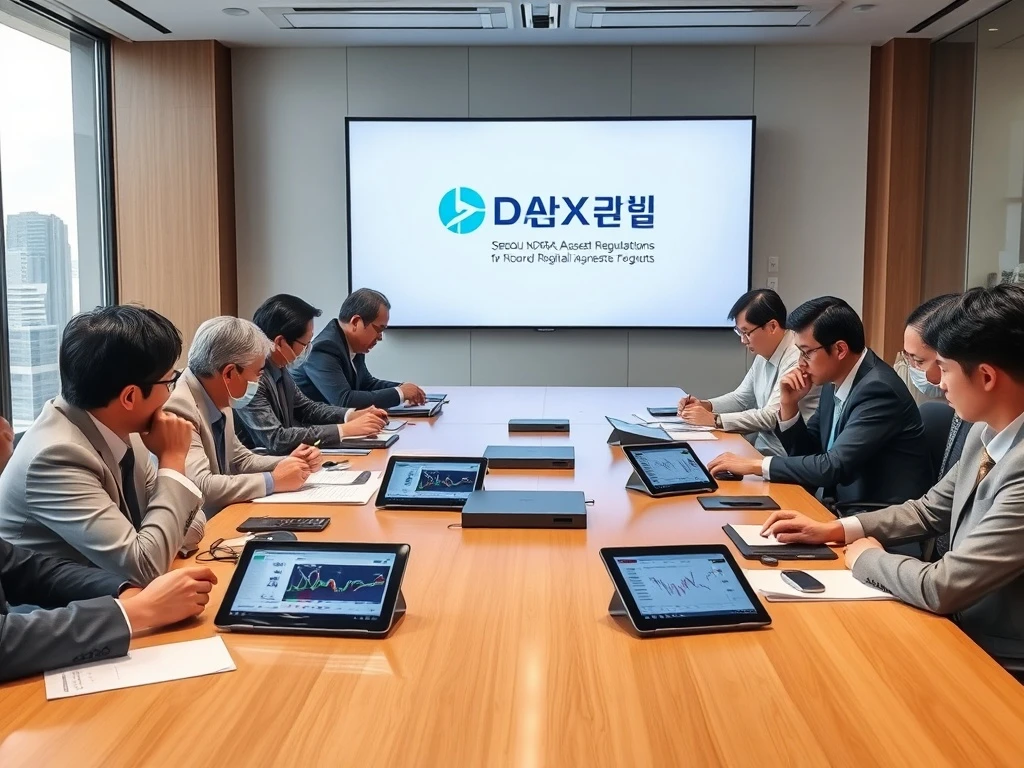
South Korea’s Digital Asset Exchange Alliance (DAXA) launched a forceful challenge against proposed ownership restrictions on January 13, 2025, creating a pivotal moment for the nation’s cryptocurrency regulatory framework. The alliance’s opposition centers on government plans to cap major shareholder stakes in cryptocurrency exchanges at 15-20%, a move DAXA claims could fundamentally reshape Korea’s digital asset landscape. This development arrives as global cryptocurrency markets navigate increasing regulatory scrutiny while pursuing mainstream adoption.
DAXA Crypto Exchange Ownership Cap Proposal Faces Industry Backlash
DAXA issued its formal statement through Yonhap News, presenting a comprehensive critique of the ownership limitation proposal. The alliance represents South Korea’s major cryptocurrency exchanges, including Upbit, Bithumb, Coinone, and Korbit. These platforms collectively handle the majority of the nation’s digital asset trading volume. Consequently, DAXA’s position carries significant weight within financial regulatory discussions.
The proposed ownership cap would restrict any single shareholder from controlling more than 15-20% of a cryptocurrency exchange. Proponents argue this measure would prevent market concentration and enhance consumer protection. However, DAXA contends the restriction would create unintended consequences for market development and innovation. The alliance specifically warned about potential capital flight to overseas platforms with more favorable regulatory environments.
South Korea Cryptocurrency Regulation Evolution
South Korea’s approach to digital asset regulation has evolved significantly since 2017. Initially, authorities implemented strict measures following the cryptocurrency boom and subsequent market corrections. The government introduced real-name trading accounts, strengthened anti-money laundering protocols, and established licensing requirements for exchanges. These measures aimed to protect investors while legitimizing the industry.
The current ownership cap proposal represents a new phase in regulatory development. It follows the implementation of the Digital Asset Basic Act in 2024, which established comprehensive frameworks for cryptocurrency operations. Regulatory authorities have consistently emphasized consumer protection as their primary objective. They point to international precedents where concentrated ownership created systemic risks.
Several other jurisdictions have implemented similar ownership restrictions with varying outcomes. For example, Japan introduced ownership limitations following the Mt. Gox incident. Meanwhile, Singapore maintains more flexible ownership structures while enforcing strict operational standards. South Korean regulators appear to be balancing these international approaches with domestic market characteristics.
Market Impact Analysis and Expert Perspectives
Financial analysts have identified multiple potential impacts from the proposed ownership restrictions. First, exchange valuation models would require significant adjustment. Current valuations often reflect control premiums that would diminish under ownership caps. Second, investment patterns might shift toward decentralized platforms or overseas exchanges. Third, innovation incentives could decrease if founders cannot maintain meaningful equity stakes.
Industry experts highlight the timing concerns raised by DAXA. The global cryptocurrency market continues evolving rapidly with new technologies and financial products. Restrictive regulations during this developmental phase might disadvantage Korean exchanges internationally. However, consumer advocacy groups support stronger ownership limitations. They argue concentrated control creates conflicts of interest and reduces market transparency.
The following table compares ownership structures across major cryptocurrency jurisdictions:
| Jurisdiction | Ownership Restrictions | Implementation Year | Market Impact |
|---|---|---|---|
| South Korea (Proposed) | 15-20% individual cap | 2025 | Pending implementation |
| Japan | 20% individual cap | 2017 | Increased institutional participation |
| Singapore | No specific cap | N/A | Flexible ownership structures |
| European Union | Varies by member state | 2023 | Fragmented regulatory approach |
Digital Asset Exchange Alliance Strategic Position
DAXA’s opposition rests on several key arguments that merit detailed examination. The alliance emphasizes property rights protection as fundamental to market economies. They contend ownership restrictions represent excessive government intervention in private enterprise. Furthermore, DAXA argues the proposal contradicts global trends toward innovation-friendly regulation.
The alliance presented specific concerns about implementation timing. South Korea’s digital asset industry continues developing competitive advantages in several areas:
- Blockchain technology development – Korean companies lead in several blockchain applications
- Exchange security standards – Korean platforms maintain exceptional security protocols
- Consumer protection mechanisms – Advanced systems for fraud prevention and dispute resolution
- Market liquidity provision – Deep liquidity pools supporting price discovery
DAXA warned restrictive ownership rules could undermine these competitive advantages. The alliance suggested alternative regulatory approaches that might achieve consumer protection objectives without ownership limitations. These alternatives include enhanced disclosure requirements, independent board representation, and strengthened auditing standards.
International Comparisons and Regulatory Alternatives
International regulatory frameworks offer valuable insights for South Korean policymakers. The United States employs a different approach through Securities and Exchange Commission oversight. American regulations focus on securities classification rather than ownership structure. This approach allows flexible ownership while enforcing strict disclosure and compliance standards.
European markets operate under the Markets in Crypto-Assets (MiCA) regulation implemented in 2024. MiCA establishes comprehensive operational requirements without specific ownership limitations. The European approach emphasizes consumer protection through operational standards rather than structural restrictions. This model has attracted significant cryptocurrency business development within the European Union.
Asian markets present diverse regulatory philosophies. Hong Kong maintains relatively open policies to attract cryptocurrency businesses. Meanwhile, China continues its comprehensive ban on cryptocurrency trading. South Korea’s position falls between these extremes, seeking balanced regulation that protects consumers while fostering innovation.
Potential Consequences for Korean Crypto Users
DAXA’s warning about user migration to overseas exchanges deserves careful consideration. Korean cryptocurrency traders have demonstrated willingness to access international platforms when domestic options prove restrictive. Previous regulatory changes have temporarily increased overseas trading activity. However, most users eventually return to domestic exchanges due to convenience and language considerations.
The proposed ownership cap might create different migration dynamics. If domestic exchanges lose competitive advantages due to ownership restrictions, users might permanently shift to international platforms. This migration could reduce market liquidity on Korean exchanges, potentially increasing transaction costs. Furthermore, reduced domestic competition might decrease innovation in user interfaces and trading features.
Consumer protection represents another critical consideration. Overseas exchanges might not provide equivalent protection to Korean users. Jurisdictional differences could complicate dispute resolution and fraud recovery. Korean regulators would have limited authority over international platforms serving domestic users. These factors create complex trade-offs between ownership restrictions and consumer protection.
Conclusion
The DAXA crypto exchange ownership cap opposition highlights fundamental tensions in digital asset regulation. South Korean authorities must balance consumer protection with industry development objectives. The proposed 15-20% ownership limitation represents a significant intervention in market structures. DAXA’s arguments about property rights and market economy principles merit serious consideration. However, regulatory concerns about concentrated ownership and potential conflicts of interest also carry weight. The ultimate resolution will shape South Korea’s cryptocurrency landscape for years. Market participants await further developments as regulatory discussions continue through 2025.
FAQs
Q1: What is DAXA and why does its opinion matter?
DAXA stands for Digital Asset Exchange Alliance, representing South Korea’s major cryptocurrency exchanges including Upbit, Bithumb, Coinone, and Korbit. The alliance’s opinion matters because its members handle most domestic cryptocurrency trading volume, giving DAXA significant influence in regulatory discussions.
Q2: Why does the South Korean government want to cap crypto exchange ownership?
Regulators propose ownership caps to prevent market concentration and potential conflicts of interest. They believe dispersed ownership enhances consumer protection and market transparency by reducing single-entity control over exchange operations.
Q3: How might ownership restrictions affect cryptocurrency innovation in South Korea?
DAXA argues ownership caps could reduce innovation incentives by limiting founders’ equity stakes. However, regulators contend proper governance structures can maintain innovation while protecting consumers through independent oversight mechanisms.
Q4: Have other countries implemented similar cryptocurrency exchange ownership restrictions?
Yes, Japan implemented 20% ownership caps following the Mt. Gox incident. Other jurisdictions like Singapore and European Union countries focus more on operational standards than ownership structures, creating diverse international approaches.
Q5: What alternatives to ownership caps might address regulatory concerns?
Alternative approaches include enhanced disclosure requirements, independent board representation, strengthened auditing standards, and real-time monitoring systems. These measures could address consumer protection concerns without imposing ownership limitations.