NYC Token Receives Stunning Endorsement from Former Mayor Eric Adams for Social Impact Mission
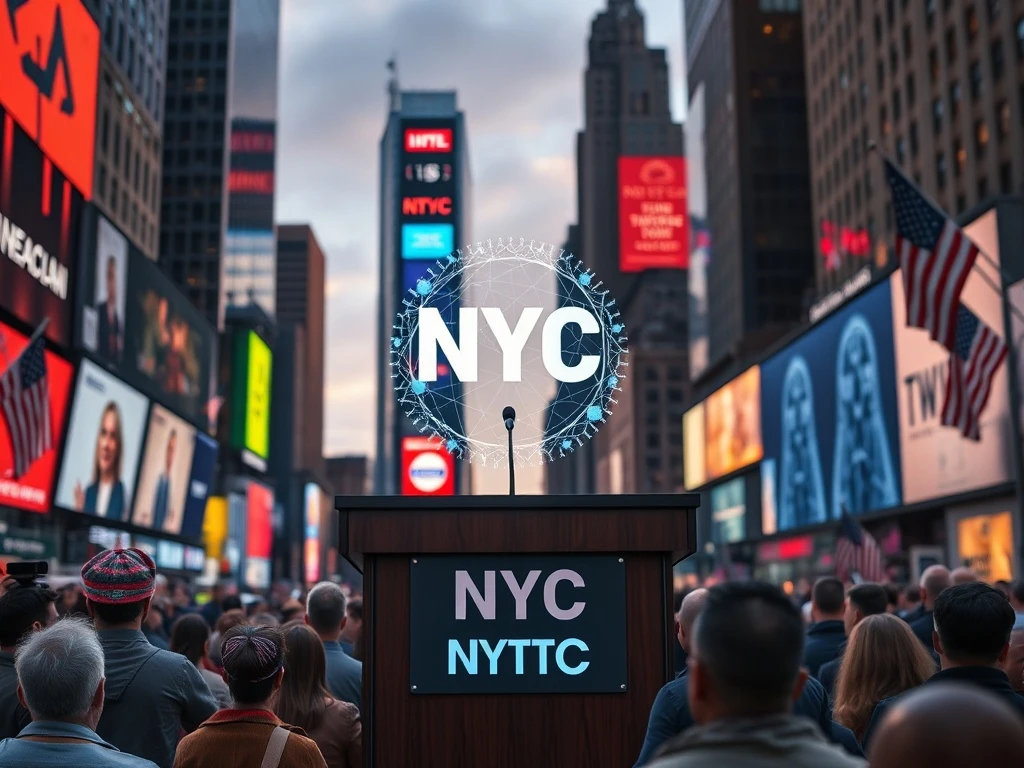
NEW YORK CITY, March 2025 – Former New York City Mayor Eric Adams delivered a surprising and significant endorsement for the upcoming NYC Token during a high-profile press conference in Times Square, marking a notable intersection of municipal legacy, digital assets, and social impact funding. The announcement, first reported by CoinDesk, positions the yet-to-launch token as a commemorative digital asset with a philanthropic mandate, aiming to channel proceeds toward combating antisemitism, countering anti-American sentiment, and expanding blockchain education access. This development immediately sparked widespread discussion about the evolving role of public figures in the cryptocurrency sector and the potential for tokenized models to support civic causes.
NYC Token Announcement Details and Social Mission
Eric Adams framed the NYC Token not as a speculative investment vehicle but as a commemorative digital asset with a defined social purpose. He outlined a clear allocation model for the proceeds during his public remarks. According to his statement, a significant portion of funds raised will flow to established non-profit organizations actively working to combat hate and discrimination. Furthermore, the initiative specifically targets support for Historically Black Colleges and Universities (HBCUs) and will create scholarships for underprivileged groups, creating a direct educational pipeline. Adams emphasized his current non-compensated role, stating he is not receiving payment for his involvement at this stage. The token itself remains in a pre-launch phase, with technical details, blockchain platform, and launch timeline still undisclosed to the public.
Context and Precedents for Political Crypto Endorsements
This endorsement enters a complex landscape where political figures engage with digital assets. For instance, Miami’s exploration of a city token and several U.S. mayors accepting Bitcoin for salary earlier in the decade set initial precedents. However, the explicit linking of a token to fundraising for specific social causes represents a newer model. Regulatory experts immediately noted the importance of the project’s structure. The distinction between a commemorative asset and a security will likely attract scrutiny from bodies like the Securities and Exchange Commission (SEC). The project’s success may hinge on its ability to demonstrate clear utility and avoid characteristics of an investment contract. Meanwhile, blockchain advocates often highlight the transparency of distributed ledgers for tracking charitable fund flows, a potential advantage for donor trust.
Analyzing the Impact on Blockchain Education and Inclusion
The focus on funding blockchain education, particularly through HBCUs and scholarships, addresses a recognized gap in the technology sector. Proponents argue that targeted educational investments can help democratize access to Web3 careers and foster more inclusive innovation. Historically, cryptocurrency and blockchain development have faced criticism for lacking diversity. Initiatives that fund education for underrepresented groups could, over time, help reshape the industry’s talent pool. Furthermore, educating a broader public about blockchain’s underlying technology may improve general literacy, reducing fraud risks and promoting more informed participation. The NYC Token model suggests a tangible attempt to leverage crypto-economic mechanisms for long-term human capital development in a high-growth tech field.
Potential Challenges and Critical Questions
Despite the positive framing, the announcement raises several immediate questions for observers and potential participants. The operational mechanics of converting token proceeds into grants remain unspecified. Key details about the token’s smart contract, governance, and the selection process for beneficiary non-profits are still pending. Market analysts also question the token’s economic model and long-term value sustainability if its primary purpose is commemorative. Additionally, the involvement of a high-profile political figure, while lending visibility, also associates the project with political perceptions, which could influence its reception. The table below summarizes the core announced allocations versus outstanding questions:
| Announced Fund Allocation | Outstanding Operational Questions |
|---|---|
| Grants to anti-hate non-profits | Which specific organizations? What criteria? |
| Support for HBCU programs | Will funds support infrastructure, curriculum, or direct scholarships? |
| Scholarships for underprivileged groups | What are the eligibility and application processes? |
| Blockchain education initiatives | Will this fund university courses, public workshops, or online content? |
Furthermore, the broader crypto market context in 2025 involves increased regulatory clarity and a focus on real-world utility. Projects that fail to demonstrate clear use cases or that face regulatory challenges often struggle. The NYC Token’s alignment with social impact could resonate with a segment of users motivated by philanthropy, but its technical execution and legal compliance will be critical.
Conclusion
The endorsement of the NYC Token by former Mayor Eric Adams represents a significant moment, blending digital asset innovation with explicit social impact goals. This move highlights a growing trend of exploring blockchain technology for public benefit and civic engagement beyond pure finance. The project’s focus on combating discrimination and funding education addresses substantive societal issues. However, its ultimate success and credibility will depend entirely on the forthcoming technical details, transparent governance, and adherence to an evolving regulatory framework. As the NYC Token progresses toward launch, it will serve as a notable case study for how communities might leverage cryptographic tools for collective action and philanthropic funding in the modern digital age.
FAQs
Q1: What is the NYC Token?
The NYC Token is a commemorative digital asset, not yet launched, endorsed by former Mayor Eric Adams. It is designed to raise funds for combating antisemitism and anti-American sentiment, supporting HBCUs, and funding blockchain education scholarships.
Q2: Is Eric Adams being paid to endorse the NYC Token?
According to his statement at the press conference, Adams stated he is not currently receiving compensation for his involvement with the project.
Q3: How will the money from the NYC Token be used?
Proceeds are allocated to non-profit organizations fighting hate, support for Historically Black Colleges and Universities (HBCUs), and scholarships for underprivileged groups to access blockchain education.
Q4: Is the NYC Token available to purchase now?
No, the token has not been officially launched. The announcement was a pre-launch endorsement, and details regarding the sale date, platform, and process are still pending.
Q5: Could this type of endorsement face regulatory issues?
Potentially. Regulatory bodies like the SEC examine the nature of digital assets to determine if they qualify as securities. The project’s framing as a “commemorative asset” and its philanthropic structure will be key factors in that analysis.