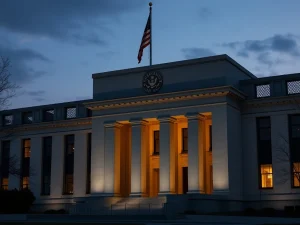
Federal Reserve Independence Under Unprecedented Attack: Powell Defends Central Bank Autonomy Against DOJ Probe
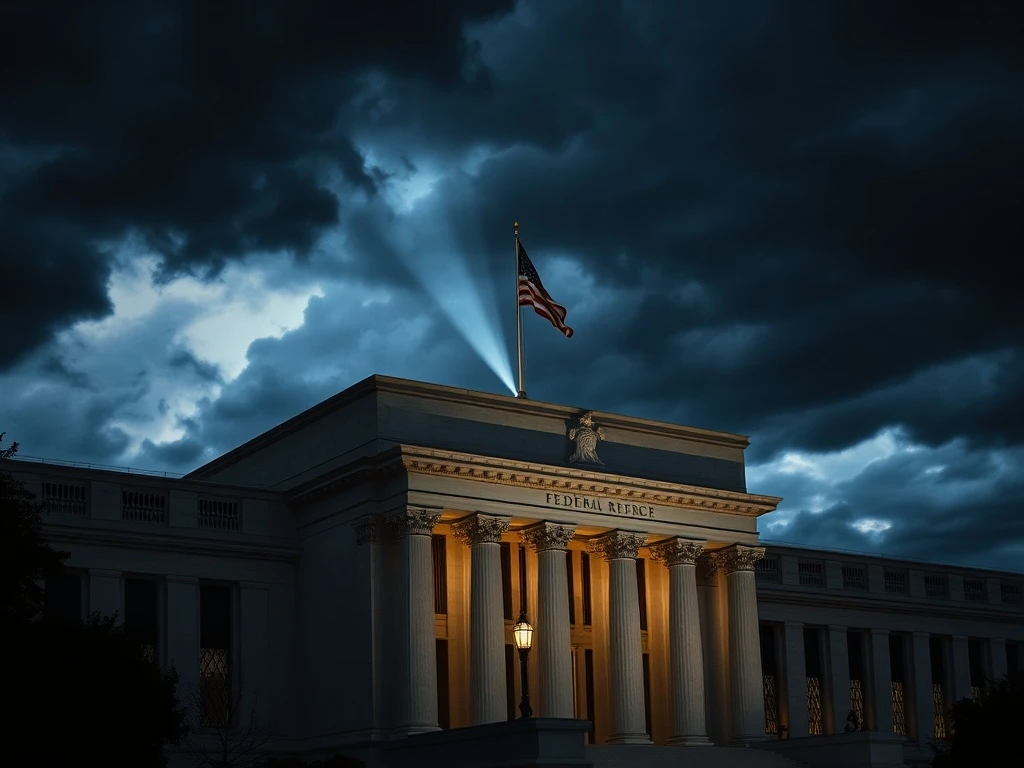
WASHINGTON, D.C. – March 15, 2025: Federal Reserve Chair Jerome Powell has launched a historic defense of central bank autonomy, characterizing a Department of Justice investigation into his conduct as an “unprecedented attack” on the institution’s constitutional independence. This escalating confrontation between monetary policymakers and federal prosecutors represents what legal scholars describe as the most significant challenge to Federal Reserve autonomy in modern American history, potentially reshaping the relationship between monetary policy and executive branch authority for decades to come.
Federal Reserve Independence Faces Constitutional Test
The Department of Justice issued a formal subpoena to Federal Reserve officials last week, marking the first time in the central bank’s 111-year history that federal prosecutors have targeted its sitting chair for potential criminal investigation. Jerome Powell responded with an extraordinary public statement, asserting the probe serves as a “pretext” for political pressure rather than legitimate law enforcement. Consequently, this confrontation raises fundamental questions about separation of powers in economic governance.
Historical context reveals the gravity of this situation. The Federal Reserve Act of 1913 established the central bank as an independent entity specifically to insulate monetary decisions from electoral politics. Furthermore, precedent shows that previous administrations respected this boundary, even during periods of significant policy disagreement. For instance, President Truman famously clashed with Fed Chair William McChesney Martin in the 1950s but never attempted legal action against the institution.
Legal experts note several unprecedented aspects of the current situation:
- First criminal investigation of a sitting Fed chair in the institution’s history
- Direct challenge to the Federal Reserve’s statutory independence provisions
- Potential violation</strong of established norms separating monetary and prosecutorial authority
- International implications for global confidence in U.S. monetary institutions
Department of Justice Actions Raise Separation of Powers Concerns
The Department of Justice reportedly threatened indictment against Powell if he fails to comply with document requests related to his testimony before congressional committees. This threat represents what constitutional scholars describe as a dangerous erosion of institutional boundaries. Moreover, the timing coincides with ongoing debates about interest rate policy, creating perceptions of political motivation despite official denials.
Comparative analysis with previous administrations reveals stark contrasts. During the 2008 financial crisis, the Bush administration worked closely with Fed Chair Ben Bernanke without legal threats. Similarly, the Obama administration maintained professional distance during quantitative easing debates. This historical pattern makes current actions particularly noteworthy for institutional observers.
| Administration | Fed Chair | Policy Disagreements | Legal Pressure |
|---|---|---|---|
| Trump (2017-2021) | Jerome Powell | Interest rate hikes | Public criticism only |
| Biden (2021-2025) | Jerome Powell | Inflation response timing | Policy discussions only |
| Current Administration | Jerome Powell | Multiple policy areas | DOJ investigation initiated |
Monetary Policy Experts Warn of Institutional Damage
Former Federal Reserve officials and monetary policy scholars have expressed unanimous concern about the investigation’s potential consequences. Dr. Sarah Jensen, former Fed economist and current Harvard University professor, explains, “Central bank independence represents a cornerstone of modern economic stability. When markets perceive political interference in interest rate decisions, volatility inevitably increases and long-term planning becomes impossible for businesses and investors.”
International observers have also reacted with alarm. The Bank for International Settlements, often called the “central bank for central banks,” issued an unusual statement emphasizing the importance of institutional autonomy for global financial stability. Similarly, European Central Bank President Christine Lagarde referenced the situation during her recent press conference, noting that “monetary policy credibility depends fundamentally on operational independence from short-term political considerations.”
Interest Rate Decisions Become Political Battleground
Powell’s statement emphasizes that Federal Reserve interest rate decisions have consistently prioritized public welfare over political considerations. He specifically noted that recent tightening cycles aimed to control inflation despite potential short-term economic consequences. This evidence-based approach, he argues, demonstrates the institution’s commitment to its dual mandate of price stability and maximum employment.
The current investigation reportedly focuses on Powell’s testimony regarding a building renovation project and subsequent interest rate decisions. However, monetary policy experts note that Federal Reserve decisions involve complex economic analysis rather than simple cause-and-effect relationships. The Federal Open Market Committee considers hundreds of data points before voting on rate changes, making direct connections to specific testimonies statistically implausible according to economic methodologies.
Market reactions have been immediate but measured. The S&P 500 experienced increased volatility following the investigation announcement, while Treasury yields showed unusual sensitivity to political news. More significantly, the U.S. dollar index declined against major currencies as international investors expressed concerns about institutional stability. These market movements demonstrate how perceptions of central bank independence directly affect economic indicators.
Legal Precedents and Constitutional Implications
Constitutional law experts highlight several concerning aspects of the Department of Justice’s approach. Professor Michael Chen of Yale Law School notes, “The Supreme Court has consistently recognized the Federal Reserve’s operational independence since the 1980s. Any attempt to criminalize monetary policy decisions would represent a fundamental restructuring of our constitutional framework for economic governance.”
Legal precedents provide important context. In 2010, the Dodd-Frank Act specifically strengthened the Federal Reserve’s independence provisions following the financial crisis. Additionally, multiple court decisions have affirmed the central bank’s authority to make decisions without executive branch approval. These legal foundations now face unprecedented testing through the current investigation.
The investigation’s timing raises additional questions. It coincides with ongoing debates about the Federal Reserve’s balance sheet reduction program and potential interest rate adjustments. This simultaneity creates what Powell describes as a “chilling effect” on evidence-based decision making. Monetary policy committee members might reasonably fear legal consequences for votes based on economic data rather than political preferences.
International Comparisons Highlight U.S. Exceptionalism
Global central banking norms emphasize independence from political pressure. The European Central Bank operates under treaties that explicitly prohibit political interference. Similarly, the Bank of England gained operational independence in 1997, a move credited with improving inflation control. The current situation places the United States increasingly outside international norms for central bank governance.
Historical examples demonstrate the dangers of politicized monetary policy. In the 1970s, Arthur Burns faced pressure from the Nixon administration to keep interest rates low before elections, contributing to stagflation. More recently, emerging markets with less independent central banks have experienced higher inflation volatility and currency instability. These examples provide cautionary tales about compromising institutional autonomy.
Potential Outcomes and Institutional Future
The Federal Reserve now faces what Powell describes as a “crossroads” between continuing evidence-based policy or succumbing to political threats. This choice carries profound implications for economic stability and democratic governance. Several potential outcomes appear possible based on historical patterns and constitutional principles.
First, the investigation might proceed but face legal challenges based on separation of powers arguments. Second, congressional intervention could clarify statutory protections for Federal Reserve independence. Third, the situation might resolve through negotiated settlement preserving institutional autonomy. Each pathway carries different consequences for monetary policy credibility and economic stability.
Market participants have already begun adjusting expectations. Derivatives pricing now incorporates higher uncertainty premiums for future Federal Reserve decisions. Additionally, international reserve managers have reportedly slowed dollar accumulation pending resolution of institutional questions. These practical effects demonstrate how abstract governance questions translate into concrete economic impacts.
Conclusion
Federal Reserve independence faces its most serious challenge in modern history as Chair Jerome Powell confronts an unprecedented Department of Justice investigation. This confrontation transcends individual personalities or specific policy disagreements, instead raising fundamental questions about institutional autonomy in democratic governance. The Federal Reserve’s ability to maintain price stability and support maximum employment now depends on preserving its constitutional independence from short-term political pressures. As global markets watch closely, the resolution of this institutional crisis will likely shape American economic governance for generations, determining whether evidence-based monetary policy can withstand political challenges in an increasingly polarized environment.
FAQs
Q1: What specific actions has the Department of Justice taken against Jerome Powell?
The Department of Justice has issued a formal subpoena for documents and testimony, reportedly threatened indictment if compliance proves insufficient, and initiated what Powell describes as an “unprecedented” criminal investigation into a sitting Federal Reserve chair’s conduct.
Q2: How does this investigation affect current Federal Reserve interest rate decisions?
Monetary policy experts express concern about a “chilling effect” on evidence-based decision making. Federal Open Market Committee members might hesitate to vote according to economic data if they fear legal consequences, potentially distorting interest rate decisions away from optimal economic outcomes.
Q3: Has any previous Federal Reserve chair faced similar legal pressure?
No historical precedent exists for a criminal investigation of a sitting Federal Reserve chair. Previous administrations maintained clear boundaries between policy disagreements and legal actions, even during periods of significant tension between the White House and central bank.
Q4: What legal protections exist for Federal Reserve independence?
The Federal Reserve Act establishes the central bank as an independent entity within government. Subsequent legislation, including the Dodd-Frank Act, strengthened these protections. Additionally, Supreme Court precedents have recognized the Fed’s operational autonomy in monetary policy decisions.
Q5: How are international financial markets reacting to this situation?
Initial reactions include increased volatility in equity markets, unusual sensitivity in Treasury yields to political news, and modest dollar depreciation as international investors express concerns about institutional stability. Longer-term effects depend on investigation outcomes and institutional responses.