Satoshi-Era Miner Stuns Market: 2,000 Dormant BTC Awaken After 15-Year Slumber
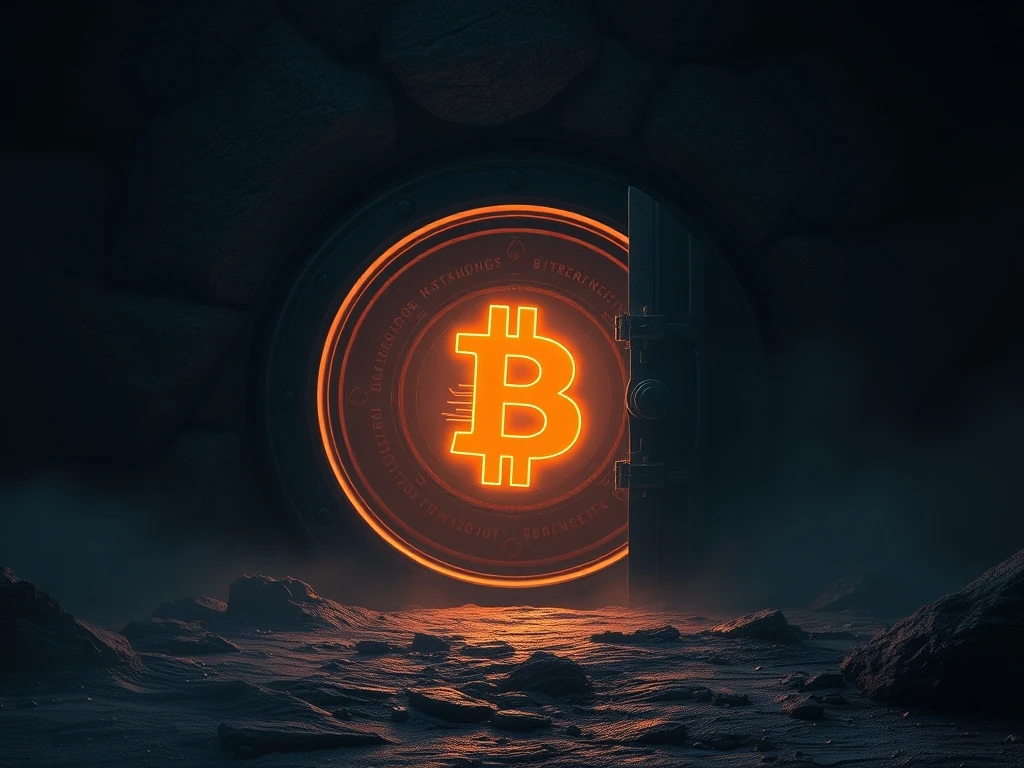
In a stunning development that has sent ripples through the cryptocurrency community, a miner from Bitcoin’s earliest days has broken a 15-year silence. This Satoshi-era miner moved a colossal 2,000 BTC, valued at over $130 million, from wallets untouched since the network’s infancy. This event, first reported by BeInCrypto, represents more than a simple transaction. Consequently, it serves as a direct link to Bitcoin’s creation myth and a potential signal for the broader market.
The Historic Movement of Dormant Bitcoin
On-chain data reveals the precise nature of this historic event. The 2,000 Bitcoin had rested undisturbed for over 15 years. They were distributed across 40 separate Pay-to-Public-Key (P2PK) addresses. This specific address type was common among the very first Bitcoin miners. Ultimately, the entire cache found its way to the major cryptocurrency exchange Coinbase. Analysts immediately scrutinized the movement. Julio Moreno, a senior analyst at the blockchain analytics firm CryptoQuant, provided crucial context. He noted that miners from this primordial period often move their holdings at significant market inflection points.
This transaction is exceptionally rare. The Bitcoin network has operated continuously since January 2009. However, coins mined in its first two years, known as “Satoshi-era coins,” almost never move. Their dormancy signifies a profound, diamond-handed conviction. When they do activate, the event carries immense symbolic weight. The market interprets it as a message from Bitcoin’s past. Therefore, every movement triggers intense analysis and speculation about the holder’s intent and market timing.
Understanding Pay-to-Public-Key (P2PK) Addresses
To grasp this event’s significance, one must understand the technology involved. The transferred BTC came from P2PK addresses. This was the original locking script used in Bitcoin transactions. Satoshi Nakamoto himself employed this format in the Genesis Block. Importantly, P2PK differs from the modern, more common Pay-to-Public-Key-Hash (P2PKH) format that begins with “1.” Early miners often used P2PK directly. The use of 40 such addresses suggests a single entity was methodically consolidating mining rewards in 2009-2010. This pattern is a hallmark of the era’s mining operations.
Analyzing the Market Inflection Point Theory
Julio Moreno’s observation about market inflection points is not mere speculation. It is grounded in historical on-chain data. Previous awakenings of Satoshi-era coins have frequently coincided with major market tops or bottoms. For instance, similar movements occurred near the 2017 peak and during the market trough of late 2018. Analysts propose several rational explanations for this correlation.
- Profit-Taking at Peaks: Early miners may finally decide to realize life-changing profits after years of holding, often near perceived market highs.
- Strategic Reallocation: The holder might be diversifying into other assets or preparing for major purchases, requiring liquid fiat currency.
- Estate Planning: After 15 years, the original miner could be managing their legacy, transferring assets to heirs or trusts.
However, the transfer to Coinbase strongly suggests an intent to sell or trade. This action injects immediate sell pressure into the market. It also provides a psychological cue to other investors. The movement of such ancient coins can be interpreted as a bearish signal by some traders. Conversely, others view it as a necessary distribution event, moving coins from a single, dormant entity to a broader base of holders.
The Rarity and Impact of Early Miner Activity
The population of true Satoshi-era miners is vanishingly small. Estimates suggest only a few dozen individuals mined Bitcoin consistently before 2010. Many have lost their private keys. Others have chosen to never move their coins, treating them as historical artifacts. Therefore, the activity of any one of these entities is a major event. The movement of 2,000 BTC represents a meaningful percentage of the estimated 1.8 million BTC mined in the first two years that is still considered potentially lost or dormant.

This event impacts the market in tangible ways. First, it reduces the supply of truly dormant coins, which are considered the most secure part of Bitcoin’s stock. Second, it provides a real-world test of the security and functionality of 15-year-old Bitcoin wallets. Successfully moving the funds validates the long-term robustness of the protocol. Finally, it sparks a renewed public interest in Bitcoin’s origin story. It reminds the market of the immense wealth created for its earliest supporters.
Expert Insight on Miner Behavior
Blockchain analysts like those at CryptoQuant monitor these wallets continuously. They track the “dormancy” metric, which measures the average age of coins spent in transactions. A spike in this metric often precedes volatility. Julio Moreno’s analysis connects this specific movement to broader market structure. He implies that the holder possesses unique, long-term perspective. Their decision to act now, after resisting the temptations of the 2017 and 2021 bull markets, is profoundly significant. It suggests a calculation based on macroeconomic or personal factors beyond short-term price action.
Conclusion
The awakening of 2,000 BTC by a Satoshi-era miner is a landmark event in cryptocurrency history. It connects the modern, institutional market directly to Bitcoin’s humble beginnings. The movement from antiquated P2PK addresses to a leading exchange underscores the asset’s incredible journey. While the miner’s exact motives remain private, the action aligns with historical patterns of activity at potential market turning points. This event serves as a powerful reminder of Bitcoin’s durability and the monumental conviction of its earliest adopters. The market will now watch closely to see if this transaction indeed marks a significant inflection point, as history suggests it might.
FAQs
Q1: What is a “Satoshi-era” miner?
A Satoshi-era miner is an individual who mined Bitcoin during its first two years of operation (2009-2010). This period is named after Bitcoin’s pseudonymous creator, Satoshi Nakamoto. These miners often obtained large amounts of BTC with minimal computational effort compared to today.
Q2: Why is moving dormant Bitcoin significant?
Moving dormant Bitcoin, especially coins over a decade old, is significant because it is extremely rare. It often signals a major change in holder behavior and can indicate a belief that the market has reached a peak or a pivotal moment, influencing broader investor sentiment.
Q3: What are P2PK addresses?
Pay-to-Public-Key (P2PK) is the original transaction script format in Bitcoin. It directly locks funds to a public key, unlike the later P2PKH format (addresses starting with ‘1’). Their use is a strong indicator that a wallet was created in Bitcoin’s earliest days.
Q4: Could this transaction crash the Bitcoin price?
While 2,000 BTC is a large sum, it is unlikely to single-handedly crash the market. However, it can contribute to sell pressure and bearish sentiment. The psychological impact of a Satoshi-era miner selling often outweighs the direct market impact of the coins sold.
Q5: How much were these 2,000 BTC worth when they were mined?
In 2009-2010, Bitcoin had essentially no monetary value. These coins were mined when the cost was primarily electricity for running a home computer. Their value was purely speculative until exchanges formed later, making the current profit astronomical.