Binance Smart Chain Dominates Blockchain Activity with Stunning Performance Surge in Early 2025
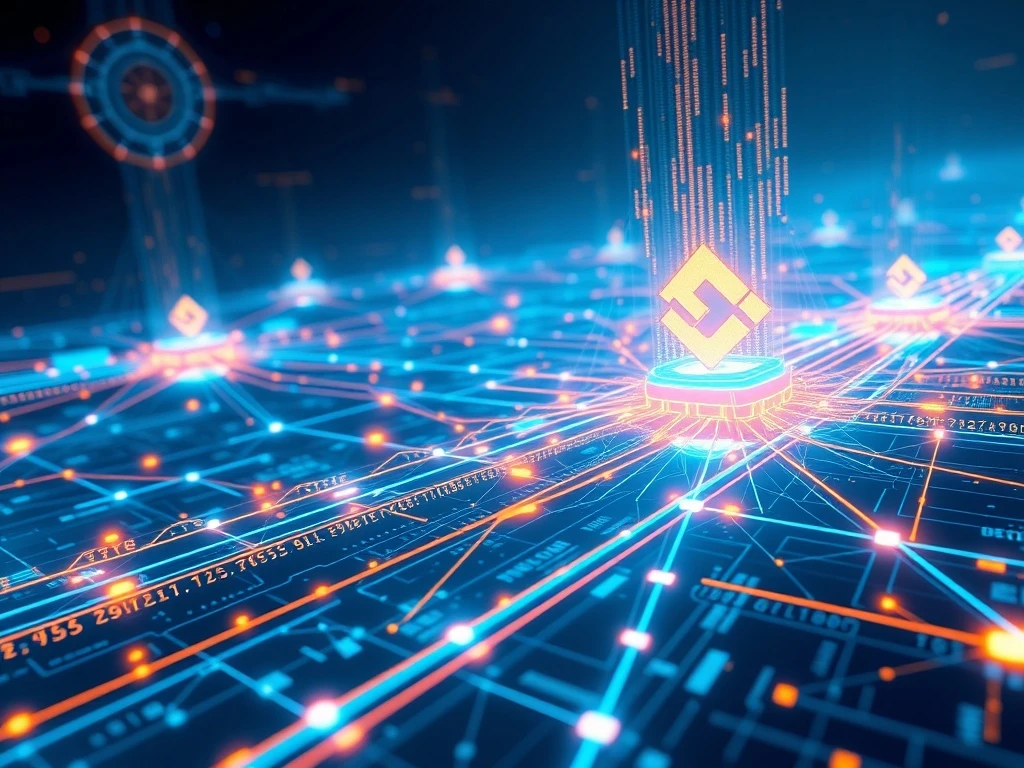
January 2025 marks a significant turning point in blockchain adoption metrics as Binance Smart Chain (BSC) demonstrates unprecedented network activity, recording $1.3 million in daily on-chain revenue and preparing for its transformative Fermi hard fork. This performance surge positions BSC at the forefront of blockchain utility and adoption, challenging established networks while signaling broader industry trends toward practical, high-throughput blockchain applications. The data, verified through multiple analytics platforms including CryptoQuant, reveals a fundamental shift in how blockchain networks compete for developer attention and user adoption in the post-speculative cryptocurrency landscape.
Binance Smart Chain Shatters Activity Records
Blockchain analytics firm CryptoQuant documented remarkable on-chain activity for Binance Smart Chain beginning January 8, 2025. The network achieved its highest daily revenue from transaction fees in months, reaching $1.3 million. This metric represents genuine user demand rather than speculative trading activity, according to blockchain analysts. The revenue surge correlates with increased usage across BSC’s flagship decentralized applications, including PancakeSwap and GMGN, which reported substantial growth in daily transactions and unique wallet interactions.
Network activity metrics provide crucial insights into blockchain health and adoption. Unlike price movements that often reflect market sentiment, on-chain revenue directly measures economic activity and utility. BSC’s performance during early January 2025 demonstrates consistent growth across multiple dimensions:
- Transaction Volume: Daily transactions increased by 42% compared to December 2024 averages
- Unique Addresses: Active addresses grew by 28% week-over-week
- Developer Activity: Smart contract deployments rose by 35% month-over-month
- Network Revenue: Fee revenue reached levels not seen since the 2023 bull market period
This activity surge occurs against a backdrop of relatively stable cryptocurrency prices, suggesting that utility-driven adoption is accelerating independently of market speculation. Blockchain architects and analysts interpret this divergence as evidence of maturing infrastructure and growing real-world application of decentralized technologies.
The Fermi Hard Fork: Technical Breakthrough
Scheduled for January 14, 2025, the Fermi hard fork represents BSC’s most significant technical upgrade in recent history. This update reduces block time to 0.45 seconds, approaching the performance levels of specialized high-throughput networks like Solana while maintaining BSC’s established advantages in cost efficiency and developer familiarity. The hard fork continues a series of systematic improvements that began with the Pascal, Maxwell, and Fourier updates, each progressively enhancing network capabilities.
Technical analysis of the Fermi upgrade reveals several critical improvements to BSC’s architecture. The reduced block time enables faster transaction finality, which benefits decentralized applications requiring rapid confirmation, particularly in decentralized finance (DeFi) and gaming sectors. Network validators have completed testing protocols that confirm the upgrade maintains stability while delivering performance enhancements. The hard fork implements optimized consensus mechanisms and improved data propagation protocols that collectively reduce latency across the network.
Comparative analysis with other major blockchain networks shows BSC’s evolving position in the performance hierarchy:
| Blockchain Network | Average Block Time | Transactions Per Second | Average Transaction Cost |
|---|---|---|---|
| Binance Smart Chain (Post-Fermi) | 0.45 seconds | ~300 TPS | $0.10-$0.30 |
| Solana | 0.4 seconds | ~2,000 TPS | $0.00025 |
| Ethereum | 12 seconds | ~15 TPS | $2-$15 |
| TRON | 3 seconds | ~2,000 TPS | $0.001 |
This technical progression reflects Binance’s strategic focus on creating a balanced blockchain ecosystem that combines reasonable costs with competitive performance. Network architects emphasize that the Fermi upgrade represents evolutionary rather than revolutionary change, prioritizing stability and backward compatibility while delivering meaningful performance improvements.
Expert Analysis: The Utility-Driven Recovery
Blockchain industry analysts interpret BSC’s activity surge as evidence of a broader market transition toward utility-driven adoption. According to data from blockchain analytics platforms, BSC currently processes approximately 40% of global blockchain traffic, maintaining this substantial market share despite increased competition. This traffic distribution highlights the network’s established position as a primary platform for decentralized application deployment, particularly in regions with cost-sensitive user bases.
The contrast between BSC’s growing utility metrics and BNB’s price stability around $911 presents an interesting market dynamic. Typically, increased network usage correlates with native token appreciation, but the current divergence suggests that valuation models are evolving. Market analysts propose several explanations for this phenomenon, including changing investor focus toward revenue-generating protocols rather than network tokens, and the maturation of valuation frameworks that better account for sustainable utility rather than speculative potential.
Decentralized applications on BSC demonstrate varied growth patterns that collectively contribute to the network’s expanding utility. PancakeSwap continues as the dominant decentralized exchange, while GMGN shows particular strength in gaming and non-fungible token sectors. The emergence of Opinion Market and other specialized applications indicates diversification beyond DeFi into social finance and prediction markets. This application diversity strengthens network resilience against sector-specific downturns and creates multiple growth vectors.
Broader Blockchain Ecosystem Context
BSC’s performance occurs within a competitive blockchain landscape where multiple networks vie for developer attention and user adoption. Ethereum maintains its position as the leading smart contract platform for institutional and high-value applications, while Solana continues to excel in high-throughput scenarios. TRON processes substantial transaction volume, particularly in specific geographic markets and application categories. Each network demonstrates distinct strengths that appeal to different user segments and application requirements.
The blockchain industry’s evolution toward specialized networks reflects maturing technology and market segmentation. Rather than a single blockchain dominating all use cases, the ecosystem increasingly features networks optimized for specific applications, with interoperability solutions bridging between them. BSC’s position in this evolving landscape emphasizes balanced performance across multiple dimensions rather than extreme specialization in any single area. This approach appeals to developers seeking broad accessibility without sacrificing performance entirely.
Global blockchain adoption metrics show consistent growth despite cryptocurrency price volatility. The number of unique blockchain addresses continues to increase across all major networks, indicating expanding user bases rather than simple redistribution of existing participants. Developer activity metrics similarly show sustained growth, with new smart contract deployments and protocol upgrades occurring regularly across the ecosystem. These fundamental indicators suggest that blockchain technology adoption continues independently of market cycles, driven by genuine utility rather than speculative interest.
Conclusion
Binance Smart Chain’s record activity in early 2025 demonstrates the network’s growing utility and adoption across multiple application categories. The upcoming Fermi hard fork represents another step in BSC’s technical evolution, enhancing performance while maintaining the network’s established advantages in accessibility and cost efficiency. As blockchain technology matures beyond speculative applications toward genuine utility, networks like BSC that balance performance, cost, and developer experience are positioned for sustained growth. The divergence between network activity and token price suggests evolving valuation models that increasingly prioritize sustainable utility over speculative potential, signaling maturation in both technology and market understanding of blockchain’s transformative potential.
FAQs
Q1: What specific metrics demonstrate Binance Smart Chain’s increased activity?
Binance Smart Chain recorded $1.3 million in daily on-chain revenue from transaction fees, representing its highest level in months. Additional metrics include 42% growth in daily transactions, 28% increase in active addresses, and 35% more smart contract deployments compared to previous periods.
Q2: How does the Fermi hard fork improve Binance Smart Chain’s performance?
The Fermi hard fork reduces block time to 0.45 seconds, significantly improving transaction finality and network throughput. This upgrade maintains backward compatibility while implementing optimized consensus mechanisms and improved data propagation protocols that collectively enhance network performance.
Q3: How does BSC’s performance compare to other major blockchain networks?
Following the Fermi upgrade, BSC achieves block times competitive with Solana (0.4 seconds) while maintaining lower transaction costs than Ethereum. The network processes approximately 40% of global blockchain traffic, positioning it among the most active networks alongside Solana, TRON, and Ethereum.
Q4: Why is there a divergence between BSC’s network activity and BNB’s price?
Analysts suggest this divergence reflects evolving market valuation models that increasingly distinguish between network utility and token speculation. Growing utility metrics may precede price appreciation as markets develop more sophisticated frameworks for valuing blockchain networks based on sustainable usage rather than speculative potential.
Q5: What applications are driving BSC’s increased activity?
PancakeSwap remains the dominant decentralized exchange on BSC, while GMGN shows strong growth in gaming and NFT sectors. Emerging applications like Opinion Market indicate diversification into social finance and prediction markets, creating multiple growth vectors beyond traditional DeFi applications.