Memecoin Comeback Stuns Market: PEPE, Dogecoin, and Shiba Inu Lead Explosive Rally
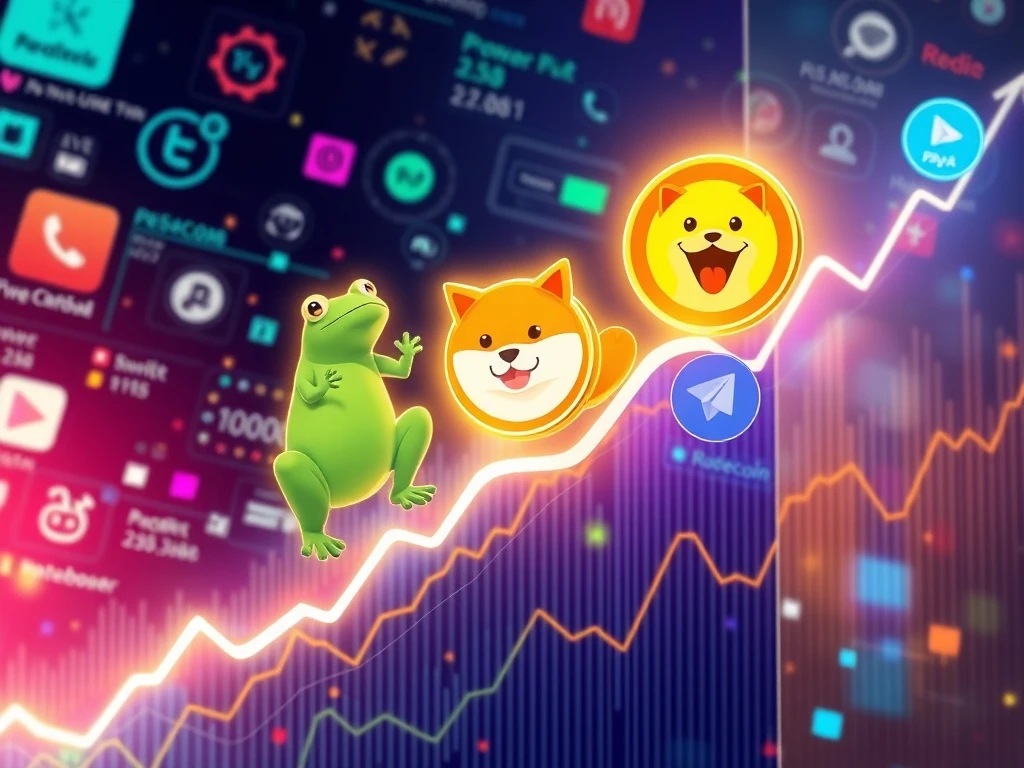
In a dramatic shift for digital assets, memecoins have staged a powerful resurgence at the start of 2026. Tokens like PEPE, Dogecoin, and Shiba Inu are posting staggering double-digit gains, defying earlier skepticism and reigniting trader interest globally. This rally, marked by significant whale accumulation and technical breakouts, signals a potential shift in overall crypto market sentiment.
Memecoin Rally Driven by Social and Technical Catalysts
The surge for assets like PEPE, Dogecoin, and Shiba Inu stems from a potent mix of community-driven momentum and clear technical triggers. Social media platforms, including X, Reddit, and Telegram, have served as primary accelerants. Crypto influencers and dedicated trader communities amplified initial price movements, creating a powerful network effect. Consequently, this social fervor translated into measurable on-chain activity.
Data from early January 2026 shows whale wallets accumulating Dogecoin in substantial volumes. Simultaneously, PEPE witnessed a staggering 70% increase in market capitalization within days. Analysts attribute this parabolic move partly to cascading liquidations of short positions. As prices rose, traders betting against these memecoins were forced to buy back tokens, creating a feedback loop that propelled values higher.
The Technical Breakout Confirmation
On the technical front, these assets shattered key historical resistance levels. For instance, Shiba Inu conclusively broke a persistent downtrend line that had governed its price action since 2024. This breakout attracted a new wave of algorithmic and momentum buyers. The combination of high leverage use in futures markets and these technical breakouts created ideal conditions for a short squeeze. However, this same leverage remains a critical risk factor, capable of magnifying losses as quickly as it amplifies gains.
Memecoins as a Barometer for Crypto Market Sentiment
Historically, memecoin performance has acted as a reliable gauge for overall risk appetite within the cryptocurrency ecosystem. Their recent rally coincides with a noticeable thaw in broader market indicators. The Crypto Fear & Greed Index, a popular sentiment measure, has moved from ‘Fear’ into a ‘Neutral’ zone. Market participants now watch closely for a potential transition to ‘Greed,’ which could precede a more extensive altcoin growth phase reminiscent of previous cycles.
The memecoin market capitalization expanded by over 20% in a two-week period, according to aggregated exchange data. Trading volumes for PEPE and Shiba Inu doubled or even tripled, confirming that capital is actively seeking high-volatility opportunities. This activity suggests traders are growing more confident in assuming risk. Nevertheless, this confidence remains fragile due to the asset class’s inherent dependence on social trends and sentiment, which can reverse abruptly.
Comparative Performance Analysis
The table below summarizes the key performance metrics for the leading memecoins in early January 2026:
| Asset | Approx. Gain (Early Jan 2026) | Primary Catalyst | Notable On-Chain Activity |
|---|---|---|---|
| PEPE | ~70% | Short squeeze, social virality | Large wallet accumulation, spike in active addresses |
| Dogecoin (DOGE) | ~20% | Whale accumulation, payment partnership rumors | Significant exchange outflows from whales |
| Shiba Inu (SHIB) | ~15-25% | Technical breakout, ecosystem development | Break of multi-year downtrend, increased burn rate |
Navigating Opportunities and Risks in the 2026 Crypto Market
For traders, the memecoin rally presents distinct opportunities but demands a disciplined strategy. Common approaches include:
- Scalping or Swing Trading: Capitalizing on short-term volatility with very tight stop-loss orders to manage downside risk.
- Momentum Trading: Riding established trends confirmed by high volume and social momentum, with clear exit plans.
Experts consistently warn against overusing leverage with these assets due to the extreme risk of liquidation during volatile swings. For long-term investors, memecoins traditionally do not fit the ‘buy-and-hold’ model of fundamental investing. Yet, the landscape is evolving. Some projects are developing tangible utility, such as PEPE’s integrations in NFT-based gaming ecosystems or Dogecoin’s ongoing discussions with payment service providers. These developments could grant certain memecoins increased legitimacy over time.
Significant risks persist, however:
- Regulatory Scrutiny: Increased regulatory focus globally could target highly speculative assets.
- Market Manipulation: The low float and high social sentiment make these markets susceptible to pump-and-dump schemes.
- Sharp Corrections: A sudden shift in overall risk aversion could trigger rapid, deep price declines.
Conclusion
The strong comeback of memecoins like PEPE, Dogecoin, and Shiba Inu in early 2026 is more than a speculative blip. It represents a measurable return of risk capital and trader confidence to the cryptocurrency market. These assets now serve as key indicators of market psychology, offering clues about the appetite for high-volatility bets. While their performance creates opportunities for agile traders, the extreme volatility inherent to memecoins necessitates caution, rigorous risk management, and an understanding that social trends can change direction swiftly. The coming weeks will test whether this memecoin rally marks the beginning of a broader altcoin season or remains a isolated, high-risk phenomenon.
FAQs
Q1: What is driving the memecoin rally in 2026?
The rally is driven by a combination of heavy whale accumulation, technical breakouts above key resistance levels, and amplified social media activity leading to short position liquidations.
Q2: Are memecoins like PEPE a good long-term investment?
Memecoins are generally considered high-risk, speculative assets due to their volatility and reliance on social trends. While some are developing utility, they are not typically recommended as core long-term ‘hold’ investments compared to assets with stronger fundamentals.
Q3: How does the Fear & Greed Index relate to memecoin performance?
The index measures overall crypto market sentiment. Memecoin rallies often coincide with shifts from ‘Fear’ to ‘Neutral’ or ‘Greed,’ as these assets thrive when traders have a higher appetite for risk.
Q4: What is a short squeeze and how did it affect PEPE?
A short squeeze occurs when traders who have bet against an asset (shorted it) are forced to buy it back to cover their losses as the price rises, which further fuels the price increase. This cascade of buying helped propel PEPE’s 70% gain.
Q5: What are the biggest risks of trading memecoins?
The primary risks include extreme price volatility, potential for market manipulation, sudden sentiment shifts on social media, and the high likelihood of sharp corrections that can erase gains quickly.