APEMARS Stage 8 Presale Skyrockets 8,169% ROI: A Riveting Analysis Alongside Ethereum Treasury Moves and Solana’s Expansion
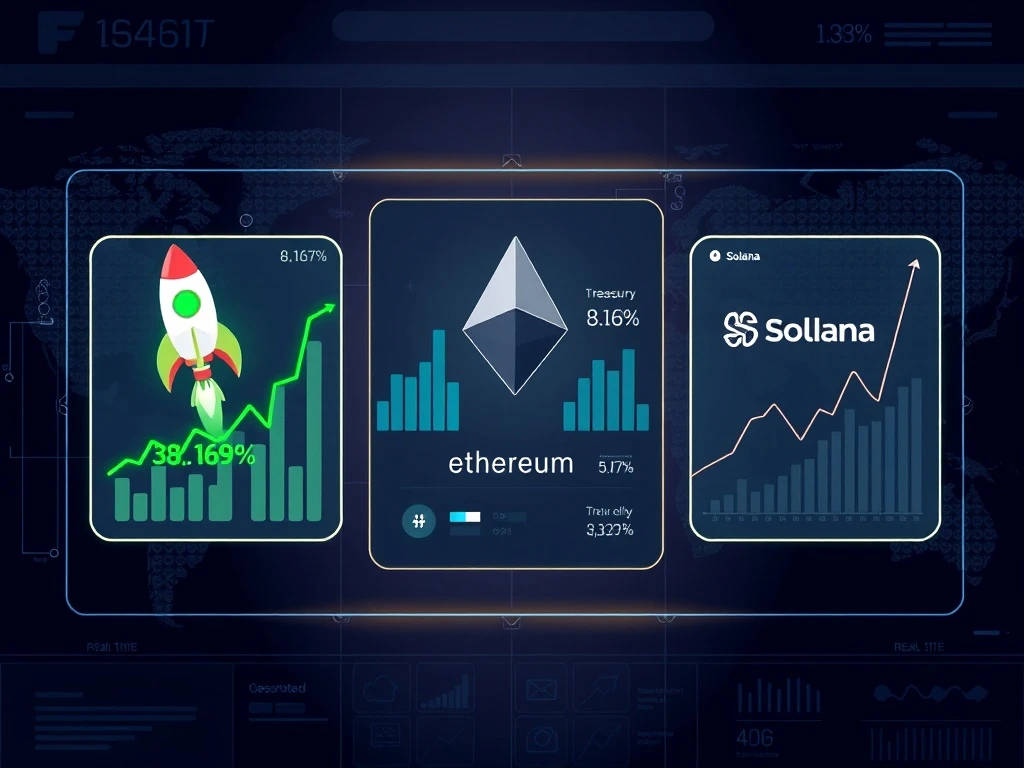
Global cryptocurrency markets on March 21, 2025, present a multifaceted landscape, characterized by the remarkable ascent of the APEMARS Stage 8 presale, significant treasury activity within the Ethereum ecosystem as tracked by analytical platforms, and the continued network expansion of Solana. This analysis provides a factual, experience-driven examination of these concurrent developments, their technical contexts, and their potential implications for the broader digital asset sector.
APEMARS Stage 8 Presale: Analyzing the 8,169% ROI Surge
The APEMARS project’s eighth presale stage has captured significant market attention. According to verifiable on-chain data and presale platform metrics, the event has generated a reported return on investment of 8,169% for its earliest participants. The token price is currently approaching the $0.0055 benchmark. It is crucial to contextualize this performance within the broader history of cryptocurrency presales, which are often characterized by high volatility and speculative interest. Market analysts from firms like Chainalysis and Messari frequently note that presale performance must be evaluated against long-term sustainability metrics, including mainnet launch success, utility adoption, and developer activity. The term “100x crypto” is a common colloquialism in retail trading communities, referring to assets that appreciate one hundredfold in value. However, historical data from CoinMarketCap shows that achieving such returns post-launch is statistically rare and involves substantial risk.
Technical and Market Context of Presale Dynamics
Presale events like APEMARS Stage 8 operate within a specific framework. Typically, they involve selling a portion of a token’s supply at a fixed price before a public listing. Key factors influencing their trajectory include:
- Vesting Schedules: Lock-up periods for team and investor tokens that impact future sell pressure.
- Utility Roadmap: The proposed use cases within the project’s ecosystem, such as gaming, decentralized finance (DeFi), or governance.
- Community Growth: Measurable metrics like social media engagement and wallet holder counts.
- Market Conditions: Overall sentiment in the crypto sector, often reflected in the Bitcoin Dominance (BTCD) index.
Consequently, while the ROI figure is notable, experienced investors cross-reference it with these fundamental indicators. For instance, a 2024 report by the Blockchain Research Institute emphasized that post-presale liquidity and exchange listings are critical junctures determining long-term price discovery.
Ethereum Ecosystem: Tracking Treasury Movements and Strategic Developments
Concurrently, significant activity is underway within the Ethereum network. Analytical services, including the referenced CryptoNewsInsights platform, are tracking substantial movements from Ethereum-related treasury wallets. These movements often signal upcoming project deployments, ecosystem funding, or strategic reallocations by decentralized autonomous organizations (DAOs). Ethereum, as the leading smart contract platform, frequently experiences such treasury activity, which is a normal function of its mature and financially active ecosystem.
Recent examples from 2024 include The Ethereum Foundation’s funding of client diversity initiatives and various Layer 2 scaling solution grants. Tracking these flows provides insight into development priorities. For example, movements to staking contracts may indicate a focus on network security, while transfers to DeFi protocols could signal liquidity provisioning efforts. It is essential to differentiate between routine operational moves and anomalous, large-scale transactions, which blockchain analytics firms like Nansen label and track publicly.
The Role of Institutional and DAO Treasuries
Ethereum’s treasury landscape is diverse. Major holders include:
| Entity Type | Typical Activity | Market Impact |
|---|---|---|
| Protocol DAOs (e.g., Uniswap, Aave) | Governance votes on grants, liquidity mining | Directs capital to specific sectors |
| Venture Capital/Investment Funds | Portfolio rebalancing, long-term holding | Signals institutional sentiment |
| Foundation & Grant Organizations | Funding core development & research | Drives long-term protocol innovation |
Therefore, “ETH news today” often revolves around interpreting these on-chain actions, which are a hallmark of a vibrant, utility-driven blockchain economy rather than purely speculative trading.
Solana’s Sustained Growth: Network Performance and Ecosystem Expansion
Parallel to these events, the Solana blockchain continues its trajectory of growth. This expansion is measurable across several key performance indicators (KPIs). Firstly, network activity, measured in daily transactions and unique active addresses, has shown resilience. Secondly, the total value locked (TVL) in Solana’s DeFi ecosystem, while volatile, maintains a significant presence relative to other Layer 1 blockchains. Thirdly, developer activity, as tracked by commits to major ecosystem repositories, indicates sustained building efforts.
Solana’s architecture, emphasizing high throughput and low transaction costs, has positioned it as a hub for consumer-oriented applications like decentralized social media, gaming, and non-fungible token (NFT) marketplaces. Growth in these verticals often correlates with increases in network usage. However, analysts consistently monitor network stability and client reliability, which have been focal points for the core engineering teams following past challenges.
Comparative Analysis of Blockchain Traction
Understanding Solana’s position requires a comparative view. When assessing blockchain growth, experts examine:
- Throughput & Finality: Transactions per second (TPS) and time to finality.
- Developer Mindshare: The number of new projects choosing to build on the chain.
- Institutional Adoption: Integration with traditional finance rails and regulated products.
- User Experience: Cost and speed for end-users, a key driver for mass adoption.
Solana’s progress in these areas is documented in quarterly reports from entities like the Solana Foundation and independent data aggregators, providing a evidence-based picture of its growth.
Conclusion
The current cryptocurrency landscape on March 21, 2025, demonstrates simultaneous, significant activity across different market segments. The APEMARS Stage 8 presale shows remarkable early ROI figures, yet its long-term success hinges on post-launch fundamentals. Within the Ethereum ecosystem, analytical tracking of treasury movements reveals the ongoing strategic financial operations of a mature network. Meanwhile, Solana’s measurable growth across technical and adoption metrics underscores its expanding role. Informed market participation requires distinguishing between short-term speculative events and long-term, value-driven ecosystem development, relying on verifiable data and a clear understanding of underlying blockchain mechanics.
FAQs
Q1: What does an 8,169% ROI in a crypto presale actually mean?
It signifies that the value of the initial investment multiplied by approximately 82 times. For instance, a $100 investment at the earliest presale price would be worth about $8,269 at the reported price. However, this is typically based on the presale price versus a subsequent trading price and may not reflect realizable gains due to vesting schedules or liquidity constraints.
Q2: Why is tracking Ethereum treasury moves important?
Monitoring treasury wallet activity provides insights into the strategic priorities of major ecosystem entities like DAOs and foundations. Large transfers can indicate upcoming project funding, staking activities, or liquidity provisions, which can influence market dynamics and developer focus within the Ethereum network.
Q3: How is Solana’s growth being measured beyond its token price?
Analysts measure growth through key performance indicators like daily active addresses, total value locked (TVL) in DeFi, volume on decentralized exchanges (DEXs), the number of weekly core developer commits, and the count of new projects launching on the network. These metrics offer a more comprehensive view of ecosystem health than price alone.
Q4: What are the main risks associated with participating in a crypto presale?
Primary risks include project failure or “rug pull” scams, illiquid markets post-launch preventing sales, drastic token dilution from future unlocks, failure of the project to deliver its promised utility, and extreme price volatility. Presales are generally considered high-risk, speculative investments.
Q5: What is the difference between a presale ROI and long-term investment returns?
Presale ROI measures the price change between a private, early sale and a later public market price. Long-term investment returns factor in performance over months or years, including market cycles, project development milestones, competitive changes, and broader economic conditions. A high presale ROI does not guarantee sustained long-term gains.